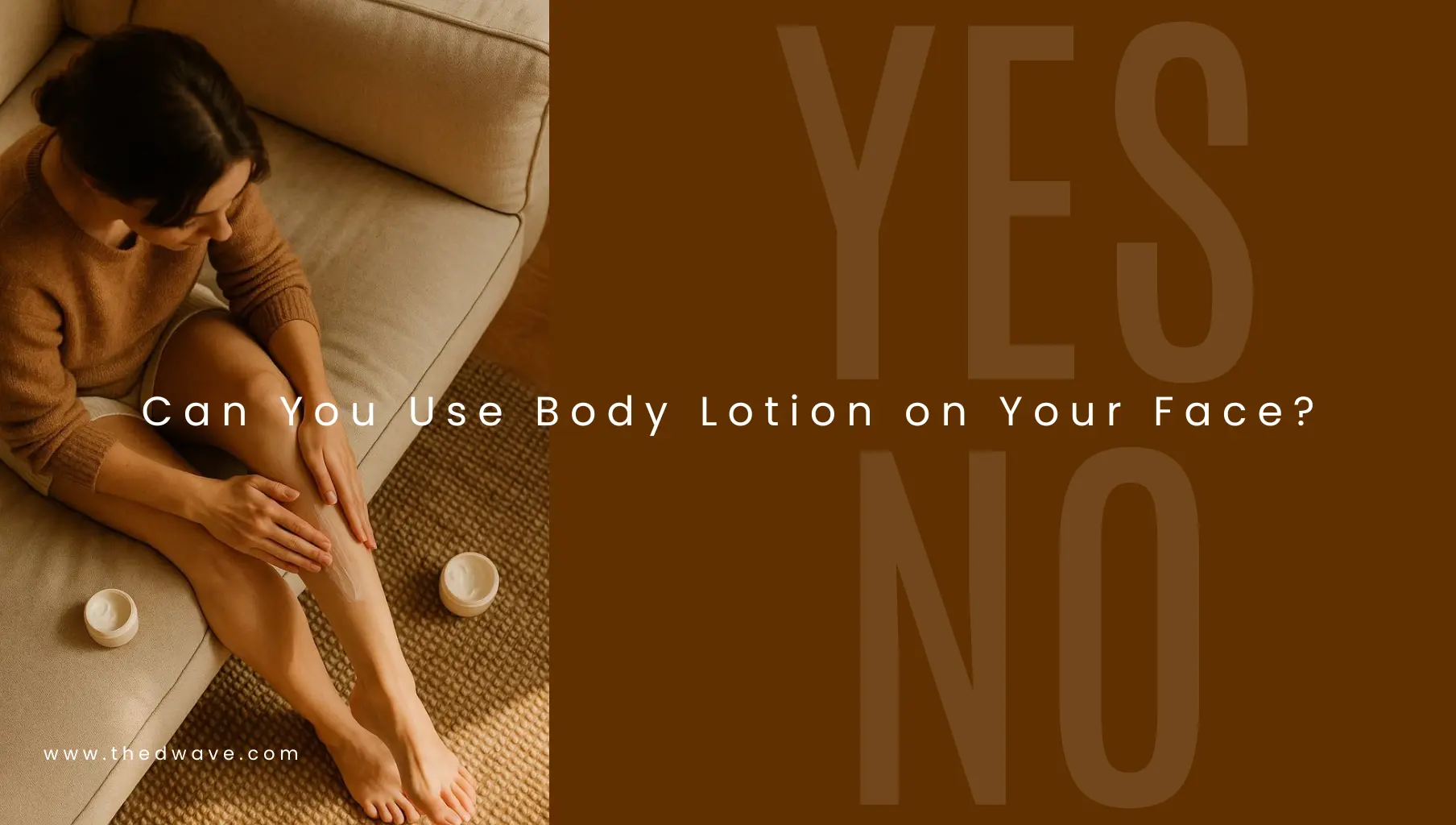
Considering moisturisers and body lotions perform a similar function - To hydrate and smoothen the skin, there is an assumption that both can be used interchangeably. However, their overall formulations differ as they cater to different skin textures across the face and body.
The difference between body lotion and moisturiser are apparent based on texture and ingredients
Moisturiser tend to address a specific concern; our facial skin is thinner and more prone to environmental stressors so moisturisers tend to contain
Active Ingredients: Hyaluronic Acid, peptides, Niacinamide, ceramides, plant extracts that stimulate the skin's natural ability to renew and repair.
Texture: Creamy or Gel Based
They are multi-faceted as they are formulated to focus not only on hydration but also on barrier repair, anti-aging, sensitivity management, and overall skin health.
Body skin tends to be thicker, and has fewer oil glands but is at the receiving end of environmental heat, pollution, shaving mishaps, in-growth hair, harsh sun exposure.
Keeping all of the above in mind, body lotions tend to be lighter and spread easily but absorption takes longer as they contain a fine balance of hydrants, emollients and occlusives to nourish and hydrate equally.
The focus is on overall hydration more than treating specific concerns.
However Skincare has become more niche and body lotions are becoming more specific. Some are designed to nourish certain areas only- like knees and elbows, some are designed to treat hyperpigmentation and some are designed to soothe body acne. But the formulation will always differ from moisturisers meant for the skin.
Let us list down the key differences between Moisturisers and Body Lotions:
1) Moisturiser: Contains actives of different nature:
- Brightening actives
- Smoothening actives
- Anti ageing actives
- Lipids
- Body Lotion: Contains more oil and fragrances that could cause clogging of pores or irritation if used on the face. So the age-old question of whether one can use body lotion on the face is answered!
2) Moisturisers: Can range from gels to creams; they are more refined and tend to absorb faster. Body lotions are usually thinner but can feel more occlusive to prevent moisture loss across larger skin surfaces.
3) While both focus on nourishing and hydrating the skin, their job descriptions differ:
- Moisturiser: Addresses anti-aging concerns , pigmentation, acne, sensitivity, and barrier repair.
- Body lotion: Takes care of hydration, smoothness, softening, reducing rough patches, and soothing dryness.
How to Choose Your Moisturiser and Body Lotion Based on Your Skin Type
Dry Skin
Your face needs more nourishment that means creams with ceramides, peptides, shea butter, hyaluronic acid, olive squalane.
The body needs richer formulas with occlusives (cocoa butter, Squalane) that can lock in the moisture.
Oily Skin
Gel-Based, water-based formulations are preferable as they hydrate without creating any build-up or triggering your oil glands further.
Moisturiser: Light-weight texture that contains Niacinamide or any non-comedogenic ingredient like Olive squalane that could provide hydration without making your skin sticky.
Have you tried the D Wave Moisture Boost Gel Creme? It contains Olive squalane that aims to provide light-weight intense hydration without creating build-up and leaving your skin feeling heavy and sticky. This non-comedogenic ingredient makes it suitable for oily skin as well while it provides the necessary hydration for dry skin.
Shop Now
Body Lotion: Avoid the richer formulas, opt for the faster absorbing ones that also soothe the skin. Also, if you have body acne, you can opt for creams that have salicylic acid.
Sensitive Skin
When it comes to sensitive skin, the goal is to hydrate the skin while soothing it. That's why moisturisers with minimal fragrance and soothing ingredients like Aloe, Niacinamide, and oatmeal.
When it comes to body lotion, opt for gentle formulations that contain aloe, cucumber, or any cooling extracts.
Combination Skin
For Combination Skin, opt for a hydrating formulation that contains humectants: They don't weigh heavy on the skin on your face and body but keeps your skin moist all the way.
Mature Skin
Opt for a Moisturiser that contains antioxidants, plant extracts, and peptides. All of which help press the refresh button on your skin. Plant extracts especially stimulate the renewal and repair process that is important for ageing skin.
When it comes to body lotions, choose formulas that contain firming and renewing ingredients like Glycolic Acid, Niacinamide that stimulate the repair process, help improve texture, and overall skin health.
Moisturising Your Face and Body
Moisturising your face is non-negotiable, the best moisturising cream for your face is one that helps strengthen your barrier, improves your texture, regulates trans-epidermal water loss, and protects against environmental disruptors.
But moisturising your body is just as important, if not more. The skin on our body dries out faster, is constantly exposed to varied environmental conditions—pollution, UV exposure, and varied temperatures (heat, extreme cold, humidity) also affect the skin. Consistent use of body lotion will help smoothen the skin, keep it firmer, reduce rough patches, and slow down signs of ageing on the neck, hands, and legs.
It's time we associate skincare with The face and the body. It's essential that you give equal importance to both. And when you take care of yourself entirely, it just shows in your skin's health. That in turn boosts confidence and our self-image. And we are always working towards that, aren't we? Self-love that makes us feel good?
FAQ’s
Q1. What is the difference between a moisturizer and a body lotion?
Ans. Moisturisers and Body Lotions tend to perform the same function of hydrating and smoothening the skin but there are some distinct differences:
- Moisturisers contain more active ingredients that target a specific concern while body lotions tend to be lighter that spread more easily and focus on overall hydration. They usually contain a combination of hydrants, emollients and occlusives.
- Moisturisers can be gel-based or cream based while body lotions can be thicker or thinner based on the presence of occlusives.
- Moisturiser may also be serving other concerns like anti ageing, barrier repair and pigmentation while body lotion tends to address dryness, help reduce rough patches and soften your skin. However today Body Lotions are also becoming specific as they help treat dark patches and body acne.
Q2. Can I use body lotion on my face?
Ans. It's best to avoid using body lotion on the face as these formulations contain occlusives and more oils that could clog the skin and create build up. They are meant for thicker skin and its impact might backfire on your face as the skin is much thinner and more sensitive.
Q3. Are all moisturizers suitable for sensitive skin?
Ans. Sensitive skin may react to moisturisers with fragrances and harsh activities. That's why it's important to opt for fragrance-free formulations that contain calming ingredients like Aloe, Niacinamide, Cucumber, and other smoothening plant extracts that don't trigger reactions but in fact harmonize the skin.
Q4. Do body lotions and moisturizers have different ingredients and tend to absorb faster?
Ans. Yes, both contain different ingredients as they perform distinct functions.
Moisturisers tend to contain more potent actives that address a certain concern. The texture depends on the actives as water based moisturisers seem lighter while the cream-based formulations appear richer.
Moisturiser absorbs into your facial skin faster owing to the thinner skin. Furthermore, moisturiser helps absorb your serum and sunscreen better as it forms a protective layer so they are designed to seep into your skin faster.
Body lotions contain occlusives and emollients and hydrants. While they spread more easily, body lotion takes longer to sink in. They are designed for thicker skin that requires lasting hydration.