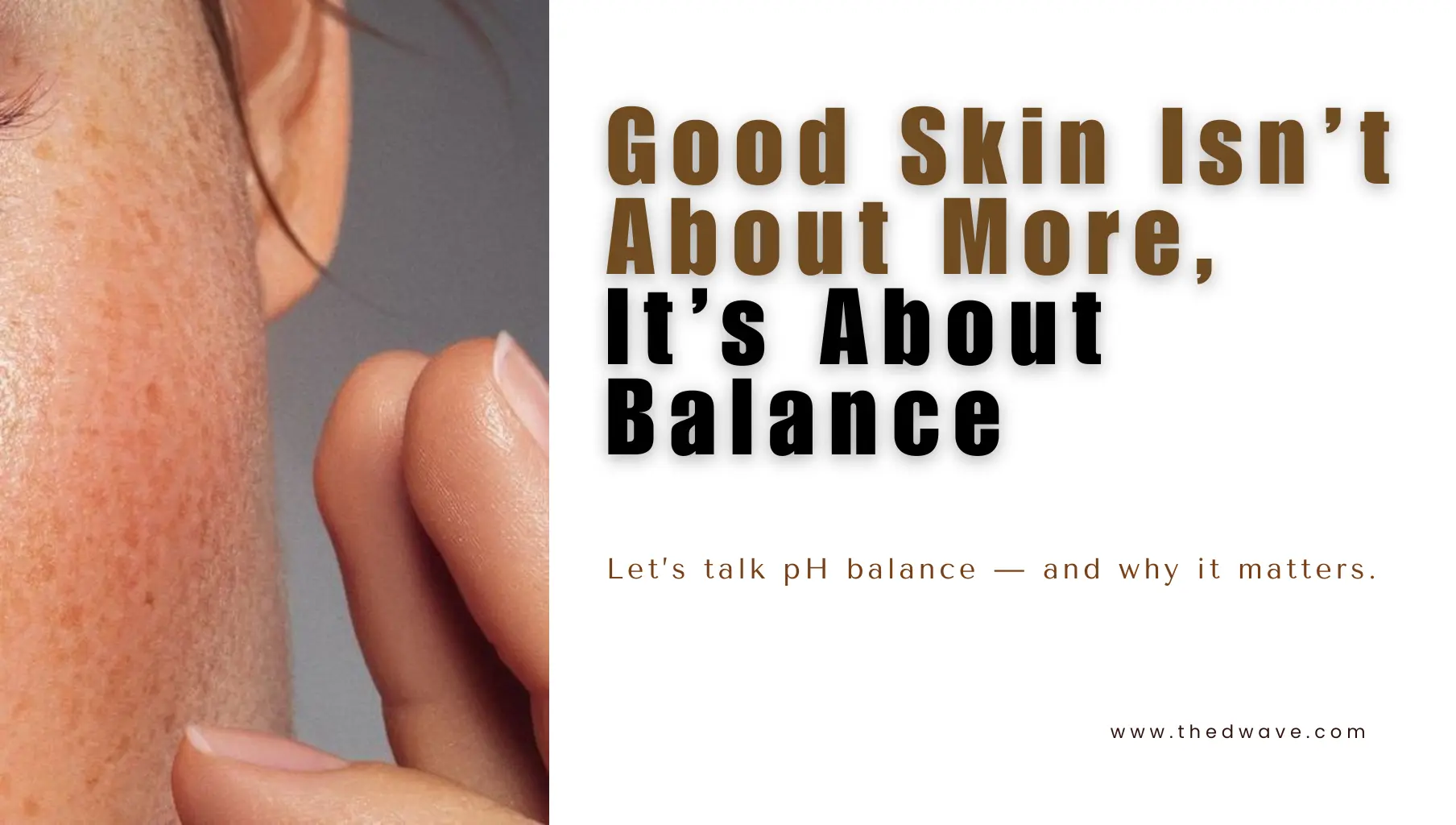
Our epidermis as we all know forms the outermost layer of our skin, the one we can see, touch and feel. Then what is the skin barrier? Within the epidermis, we have the layer of armour - scientifically called the stratum corneum aka the skin barrier; it’s made up of cells glued together by ceramides,cholesterol or any fatty lipids.
While the epidermis is your first line of exposure, bearing the maximum hit, it is your barrier that seals in moisture, builds resilience and keeps pollutants, irritants at bay. Both-The epidermis and skin barrier ought to be treated differently as they both face different skin concerns.
Damaged skin barrier symptoms include but are not limited to the below:
- Stinging or inflamed skin
- Extreme sensitivity to skincare products
- Dried feel even after moisturising
- Dried and dehydrated texture
- Unexpected breakouts
When it comes our skin barrier, it’s the everyday neglect that cumulates to impact or damage the skin barrier:
SPF leniency: Sun protection cannot be stressed enough but it is often taken for granted especially if your job is indoors as it is often assumed sun protection is required only if outdoors. But your skin requires this protection as it is continually exposed to all forms of harsh lighting. To add to it, sun-damaged skin shows up suddenly, without notice.
Too many actives and wrong combinations: Vitamin C brightens the skin, Retinol stimulates cell turn over, Salicylic acid helps unclog pores, niacinamide reduces the size of pores, Glycolic acid helps with purging dead skin cells - Your skin is exposed to these primary actives and some more, courtesy the growing obsession with actives and their effective deliverables. Further, the wrong combination of activities can eventually result in extremely sensitive and stimulated skin.
PH balance neglect: Our skin naturally acidic mantle rests at 4.5 - 5.5 but products that do not take this into consideration disrupt your barrier allowing your skin to be impacted by pollutants, sun exposure, stress, poor skin hygiene after workouts.
Poor Skin Habits
- Not following a consistent night routine that cleanses, renews and repairs your skin
- Not washing off dirt and grime after an intense workout
- Not replacing your wash cloths frequently, especially meant for the skin
- Using scalding hot water for the skin
- Stressing your skin out by picking on your zits or scurbbing it furiously
After all this, our question is - How can the skin barrier not be compromised?
Weather and Environmental Stress
The weather and current environmental conditions have a bigger impact on your skin than you know. Not adapting your skincare routine based on these variables can cause your barrier to act out and feel neglected, irritated and rough.
So how do we repair the skin barrier?
Your skin barrier might be the most resilient layer but it’s also the layer that requires gentle care. That’s why it’s important to stick to the principle: Less is more
Gentle cleansing: Use a gentle, moisturising cleanser that complements your skin’s natural PH balance. Don’t overdo it for the sake of squeaky clean skin; this is time to be compassionate towards skin as you treat it with gentleness and nourishment.
Avoid actives: Avoid potent actives temporarily that cause your skin to react. Instead opt for supportive skin barrier ingredients that hydrate your skin calmly - Aloe vera, Portulaca plant extracts, glycerine, hyaluronic acid - all of which combat epidermal water loss, heal your barrier owing to anti-inflammatory properties and provide hydration without clogging pores.
Moisturise: This step is critical as it helps to re-build your barrier so one needs to include skin care products that contain ceramides and other fatty acids and occlusives that seal in moisture without clogging the pores. The skin barrier repair ingredients we recommend: squalane, ceramides, and shea butter and other non-comedogenic ingredients.
SPF: We could create a slogan for this one - Wear sunscreen, so that your skin won’t scream, later. Your skin needs its daily armour that shields it from pollutants, dust, UV exposure so that your skin barrier remains healthy and uncompromised.
Lifestyle: Your diet, hydration levels, activity levels can also impact the appearance of your barrier as food rich in antioxidants, consistent release of toxins through consistent hydration and exercise can make your skin glow from within which is as important!
We would like you to take note of one essential aspect in skincare:
Acne can occur even with a healthy barrier. Because acne is usually caused due to build up, excess sebum, hormonal fluctuations. Acne looks different on a healthy barrier vs acne on a compromised barrier. Recovery is faster when you have a healthy barrier, your skin still looks radiant and healthy even if you have acne. However both have a connection because if you maintain your skin barrier’s health, acne severity can reduce. However, in a bid to reduce acne, do not strip your barrier of its essential oils.
The D Wave Moisture Boost Gel Creme
If your skin is showing signs of a damaged skin barrier, The D Wave Moisture Boost Gel Creme is for you!
It contains one of the most loved occlusives - Olive squalane that provides intense hydration without making your skin feel sticky and heavy and it contains hyaluronic acid - another friendly hydrator that suits all skin types and helps fight transepidermal water loss - Both complementing each other and ensuring the impact of the other is greater!
Shop Now
Protect your foundation, your armour - The formidable skin barrier - so that your epidermis shines with a healthy glow. Remember, don't trade immediate fixes for long-term damages. Healthy skin triumphs always!
FAQ’s
Q1. How does a healthy skin barrier look?
Ans. The signs of healthy barrier are not apparent because this is within the epidermis but it’s in the little aspects like skin reactivity, hydration level and the way your feels overall
- Skin feel calm, not triggered
- Remains moisturised and does not dry out immediately
- Doesn’t feel tingly or inflamed
- Retains enough moisture to give it a hydrated look
Q2. What factors can damage the skin barrier?
Ans. Certain factors can compromise the skin barrier
- Poor daily skin habits - using hot water, overfoliation, no consistent nighttime routine to wash off the dirt and grime.
- Overuse of actives and in the wrong combination - Potent actives can have a dramatic effect on your skin if it’s not introduced properly and in the right combos.
- Neglecting your skin’s natural PH balance can have an effect on your skin barrier disrupting its primary function to protect and seal in moisture.
- No SPF to protect your skin from Harsh UV exposure and other environmental triggers.
Q3. What is the skin barrier and why is it important for skin health?
Ans. The skin barrier is a protective layer within the epidermis that absorbs moisture and resists disruptors effectively. When protected and strengthened, your skin remains healthy even if it's acne prone or dry. It’s the armour that keeps your epidermis intact and ensures all other aspects of your skin - elasticity, collagen production, hydration do not get impacted owing to a weakened foundation. Hence, a compromise barrier
Q4. How can I protect and strengthen my skin barrier daily?
Ans. Damaged skin barrier symptoms include
- Increased sensitivity to skincare products
- Dry and tight skin
- Inflammation
- Rough texture
Here’s how to repair skin barrier
With gentle cleansing followed by a simplified skincare routine
- Moisturisation that repairs and rebuilds the barrier
- Inclusion of hydrators that complement the barrier building exercise
- Keep the skin’s natural PH balance intact
Q5. Which skincare ingredients are best for maintaining a healthy skin barrier?
Ans. Skincare ingredients like hyaluronic acid, portulaca plant extracts, Olive squalane, ceramides, aloe vera, Shea Butter help maintain a healthy skin barrier.